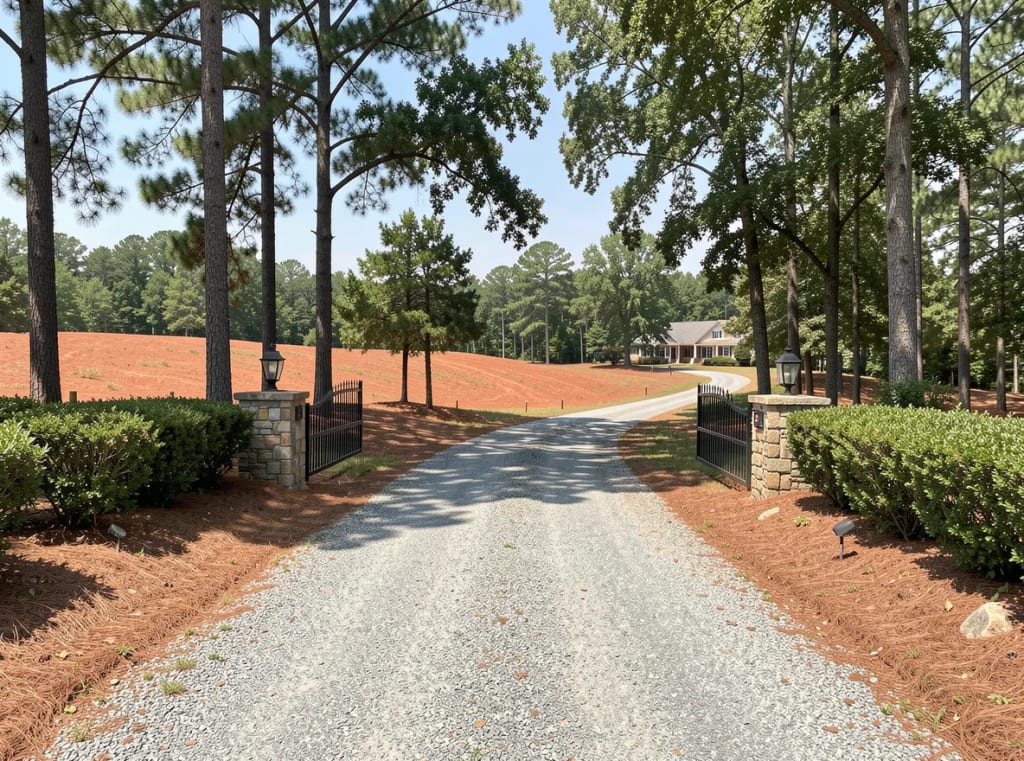
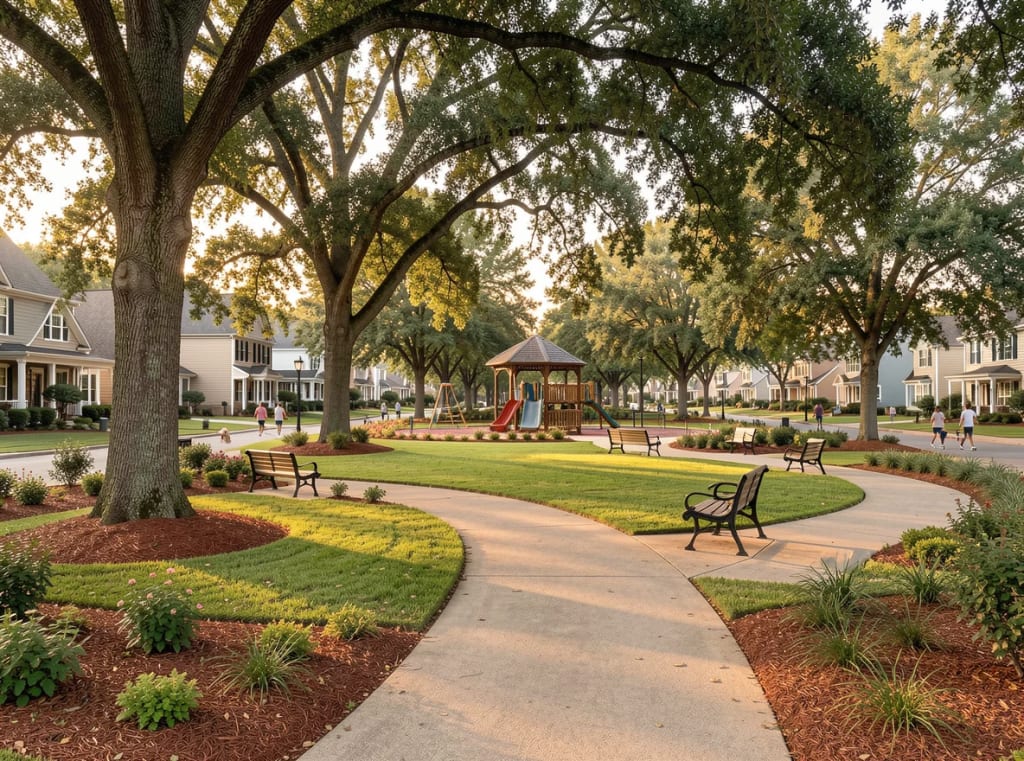
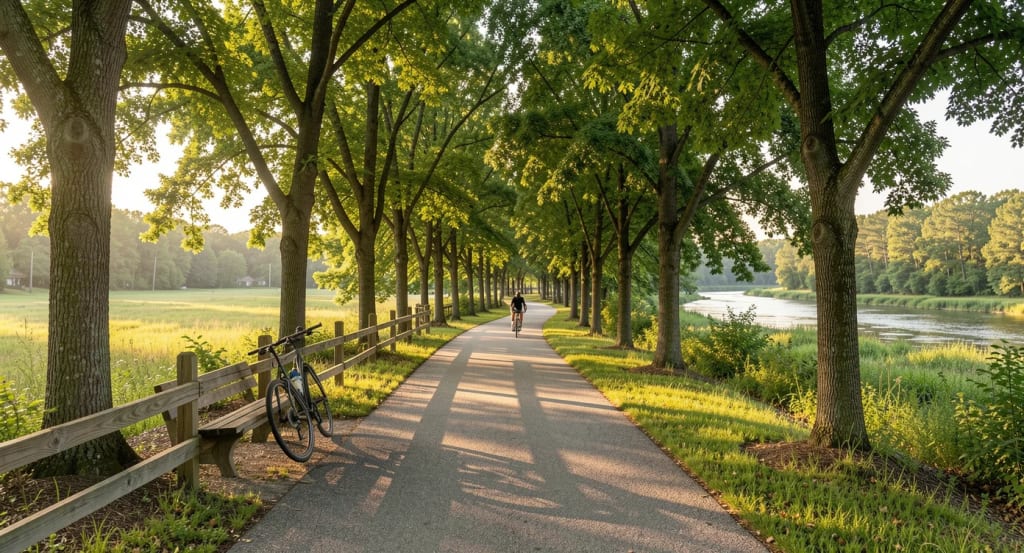
Buying an acre (or more) around Jefferson can be the perfect fit if you want room for a workshop, a garden, or simply more privacy—but land purchases come with a different checklist than a typical in-town home. Before you fall in love with a wooded backdrop or a long gravel drive, it helps to understand what actually makes a lot buildable and usable in Jackson County's rolling Piedmont terrain.
In this guide, we'll walk through the practical items that can change your budget and timeline: septic and soil considerations, well vs. public water questions, driveway placement and erosion control on sloped sites, and how to think about outbuildings or future ADU-style space. We'll also cover how to spot the difference between "total acreage" and the portion you can realistically clear, grade, and enjoy—especially when wooded buffers and creek corridors are involved.
On Jefferson-area acreage, the "invisible" systems can matter as much as the house. Before you fall in love with a wooded back line or a flat spot for a future workshop, ask early about septic. A perc test and soil evaluation help confirm whether the lot can support a conventional system or if it may require an alternative design—something that can affect both cost and where you're allowed to build. Also confirm the location of the drain field and reserve area so you don't accidentally plan a pool, barn, or driveway on top of it.
Many larger lots rely on well water, so it's smart to understand depth, yield, and water quality testing (and whether treatment is needed). Then look at access: Jefferson's rolling Piedmont terrain and red-clay soil can turn a "simple" driveway into a grading and drainage project. Walk the proposed drive path after rain if you can, and look for signs of erosion, standing water, or steep slopes that could require culverts, retaining walls, or extra gravel. These checks help you estimate true buildability—not just acreage on paper.
Even when you're focused on 1+ acre lots in Jefferson, the right network matters—because the biggest surprises tend to be infrastructure, not the house. Rebecca Broich Ragsdale's day-to-day work across the Buford–Lawrenceville corridor helps buyers pressure-test rural properties with the same rigor you'd use in a tighter suburban deal.
For example, when a buyer is considering a wooded Jefferson tract, Rebecca leans on trusted contacts she's built through Lawrenceville community events and client relationships to quickly line up the right questions: septic feasibility (soil and perc history), well expectations, and whether a long driveway will create erosion or drainage headaches on rolling red-clay terrain. She also helps sellers anticipate what land-focused buyers will ask—like usable acreage vs. buffer woods, outbuilding allowances, and access for equipment—so the listing is ready for serious scrutiny.
When you're buying 1+ acre property around Jefferson, the "house" is only part of the decision—the land and its constraints can make or break the purchase. A local Realtor can help you spot red flags early, like lots that look flat from the road but drop off into a drainage swale, or parcels where the most usable area is actually a wooded buffer. In rolling Piedmont terrain, driveway placement, erosion control, and where water naturally runs after a storm are practical issues that don't show up in a listing description.
National portals can't walk a property with you and point out where a septic field might realistically fit, what questions to ask about well depth and water quality, or how to verify whether outbuildings, workshops, or an ADU are feasible under local rules. Rebecca Broich Ragsdale can also coordinate the right due diligence—survey timing, septic/well evaluations, and conversations with the county—so you're not learning expensive lessons after closing. The goal is simple: understand what you can build and use, not just what you can buy.
When you're touring 1+ acre properties around Jefferson, a local Realtor can help you separate "pretty land" from usable land. Start by asking for any existing septic permit history and the location of the drain field reserve area—on rolling Piedmont terrain, the best building spot isn't always where the driveway naturally wants to go. If a home is on well water, request recent water-quality testing and confirm the well's location and access for future service.
Next, walk the lot with a practical eye: look for erosion channels, low spots that stay wet after storms, and where a long driveway might need grading, culverts, or a retaining wall. If you want a workshop, barn, or ADU, verify county rules, setbacks, and whether the site can support additional structures without conflicting with septic fields or wooded buffers.
If you'd like a second set of eyes, Rebecca Broich Ragsdale can help you build a due-diligence checklist and target Jefferson listings that fit your land goals.

Sign in with your email address
You’re being redirected to the page with listing data.